Sunita’s Story

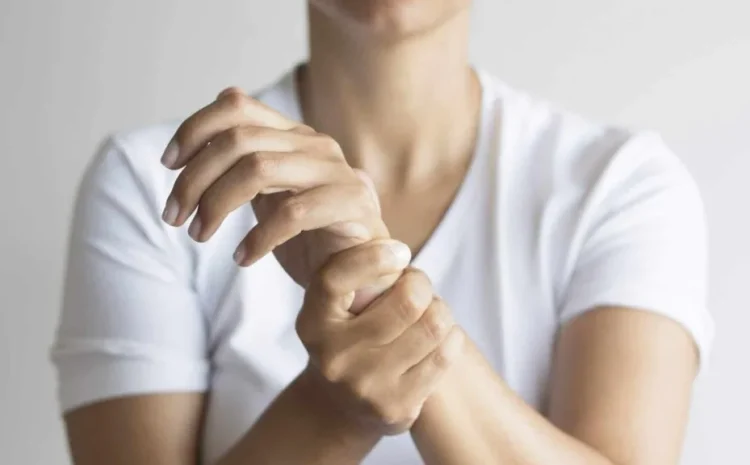
Sunita’s Story

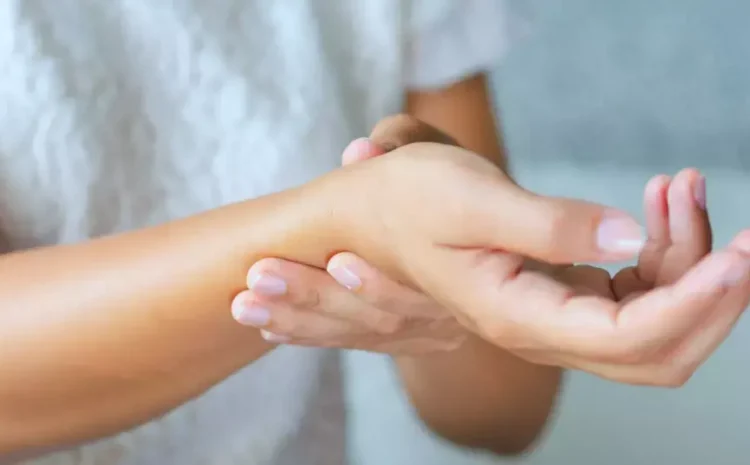
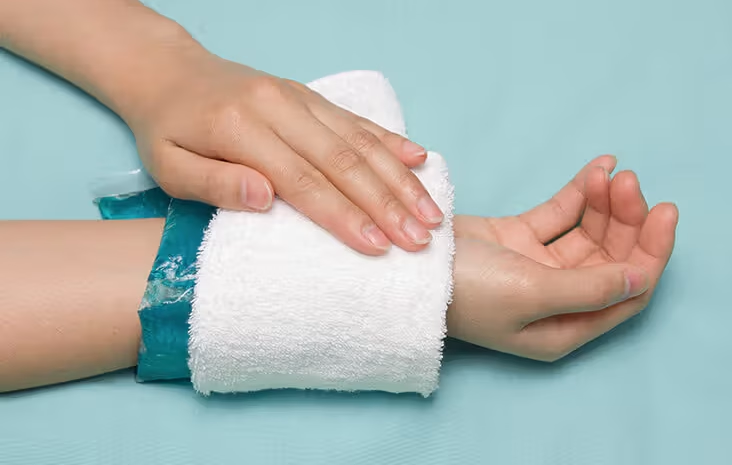
I was diagnosed with Kienböck’s disease, a rare wrist condition that causes the lunate bone to die due to lack of blood supply. I experienced severe wrist pain, stiffness, and limited mobility, making everyday activities like cooking, writing, and even…
 Sohan’s Story

Sohan’s Story

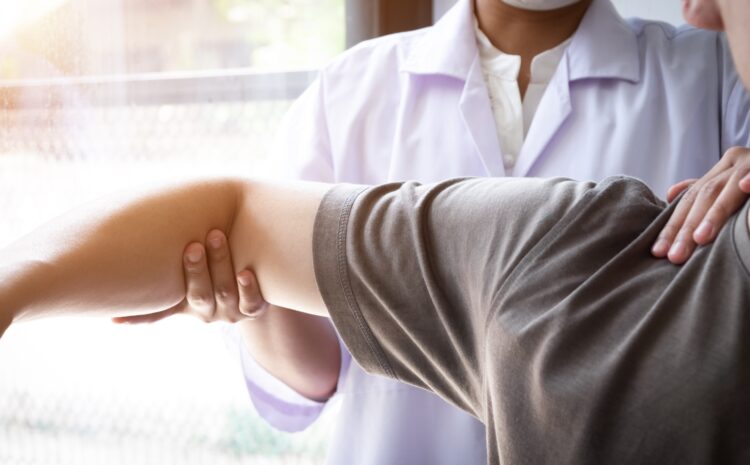
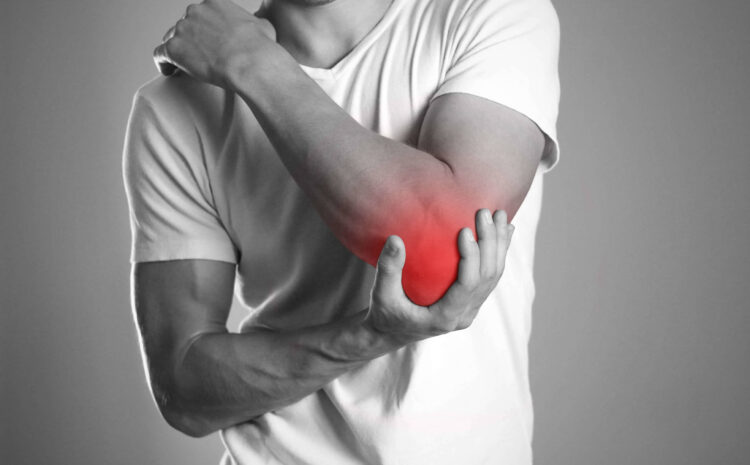
I’ve always been an avid cricketer, but after one accident, followed by surgery I noticed my elbow was getting stiffer and more painful while I had taken more than 7 months physiotherapy. I couldn’t fully extend my arm, and even…

 Avinash Story

Avinash Story

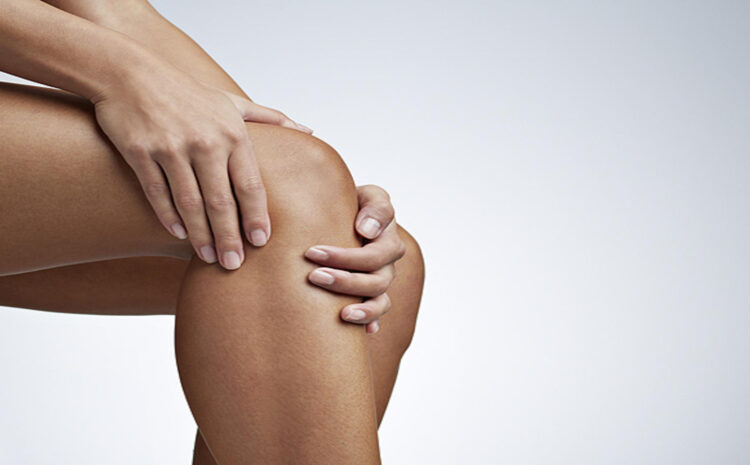
I was playing in a football game, running down the field, when I jumped for a header. I landed awkwardly, and I felt a sudden pop in my knee. I knew something was wrong. I couldn’t bear weight on my…

 Ravina’s Story

Ravina’s Story

A case of 22 Yrs Female came with pain radiating to both arms from last 2 year taken no medical consultancies and 1 year physiotherapy with medicine but not subsided. Finally suggested for extra rib in cervical spine is to…

 ARTHROKINETIC THERAPY FOR SCAPHOID INJURY

ARTHROKINETIC THERAPY FOR SCAPHOID INJURY

Arthrokinetic biomechanics plays a crucial role in understanding and addressing scaphoid injuries. Here’s a comprehensive overview: Biomechanical Considerations: Wrist kinematics: Movement patterns of the wrist joint.  Scaphoid bone anatomy: Location, shape, and function. Ligamentous constraints: Volar and dorsal radiocarpal ligaments.…

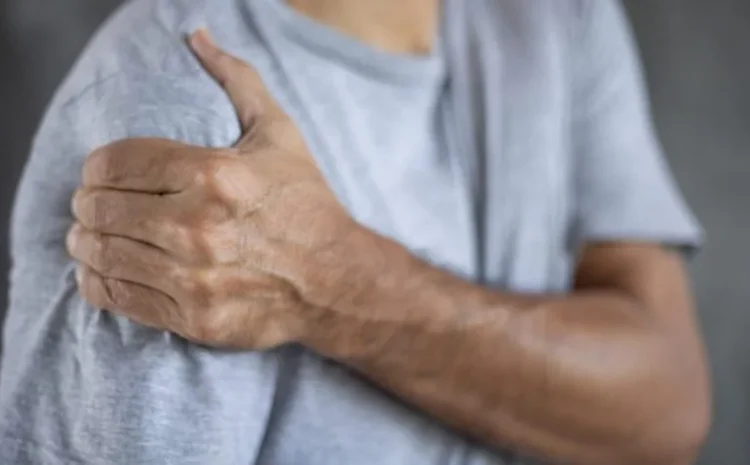
 ARTHROKINETIC THERAPY FOR FROZEN SHOULDER

ARTHROKINETIC THERAPY FOR FROZEN SHOULDER

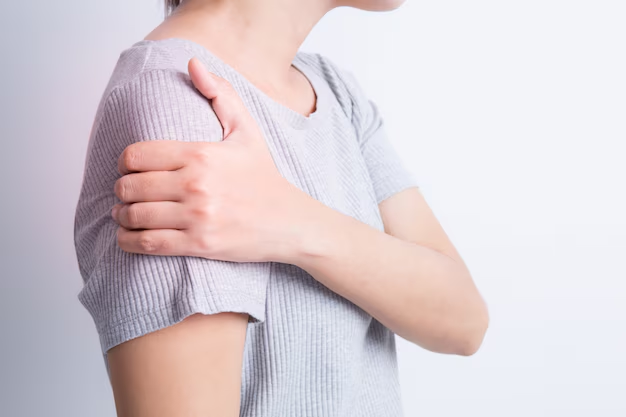
Arthrokinetic techniques and exercises for frozen shoulder: Phase 1 (Pain Relief and Mobility): Glenohumeral Joint Mobilization: Anterior-Posterior Mobilization: Apply gentle, graded forces to improve joint play. Caudal Mobilization: Mobilize joint in caudal direction to reduce stiffness. External Rotation Mobilization: Improve…

 ARTHROKINETIC THERAPY FOR ROTATOR CUFF INJURY

ARTHROKINETIC THERAPY FOR ROTATOR CUFF INJURY

Arthrokinetic biomechanics plays a crucial role in understanding and addressing rotator cuff injuries. Here’s a comprehensive overview: Biomechanical Considerations: Glenohumeral joint kinematics: Movement patterns of the shoulder joint. Rotator cuff muscle function: Supraspinatus, infraspinatus, teres minor, and subscapularis. Scapular movement:…

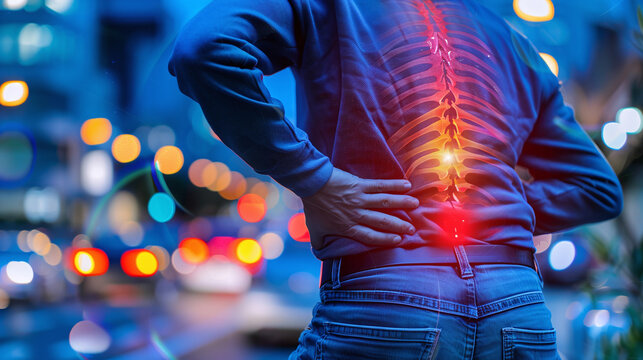
 ARTHROKINETIC THERAPY FOR THE CERVICAL SPINE

ARTHROKINETIC THERAPY FOR THE CERVICAL SPINE

Arthrokinetic therapy for the cervical spine focuses on restoring optimal movement and function to the neck joints. Here’s a comprehensive overview: Biomechanical Considerations: Cervical spine kinematics: Movement patterns of the cervical spine. Joint play: Amount of movement available in each…

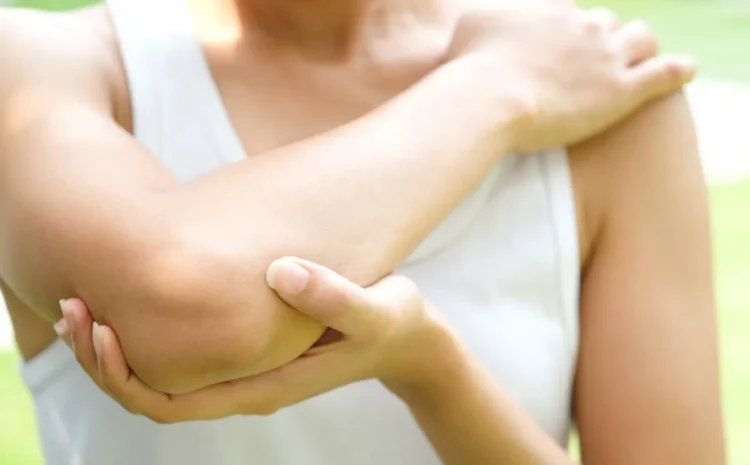
 ARTHROKINETIC THERAPY FOR STIFF ELBOW

ARTHROKINETIC THERAPY FOR STIFF ELBOW

Let’s dive deeper into the biomechanical aspects of stiff elbow and its implications for arthrokinetic therapy: Biomechanical Considerations for Stiff Elbow: Elbow Joint Kinematics: Reduced flexion, extension, supination, or pronation can lead to stiffness. Biomechanical analysis assesses joint mobility, focusing…

 ARTHROKINETIC THERAPY FOR TFCC INJURY

ARTHROKINETIC THERAPY FOR TFCC INJURY

Anatomy and Function The TFCC is a complex structure in the wrist, comprising: Triangular fibrocartilage Radioulnar ligaments Ulnar collateral ligament Extensor carpi ulnaris tendon sheath Biomechanical Functions: Forearm rotation Wrist stability Load transmission Injury Mechanisms: Fall onto outstretched hand Repetitive…